
Travel Guides
Two Days on the Irish Loop: A Slow Traveller's Itinerary
Puffins, fossils, caribou, and a fire on the beach. The south shore of the Avalon, the way locals would take you.
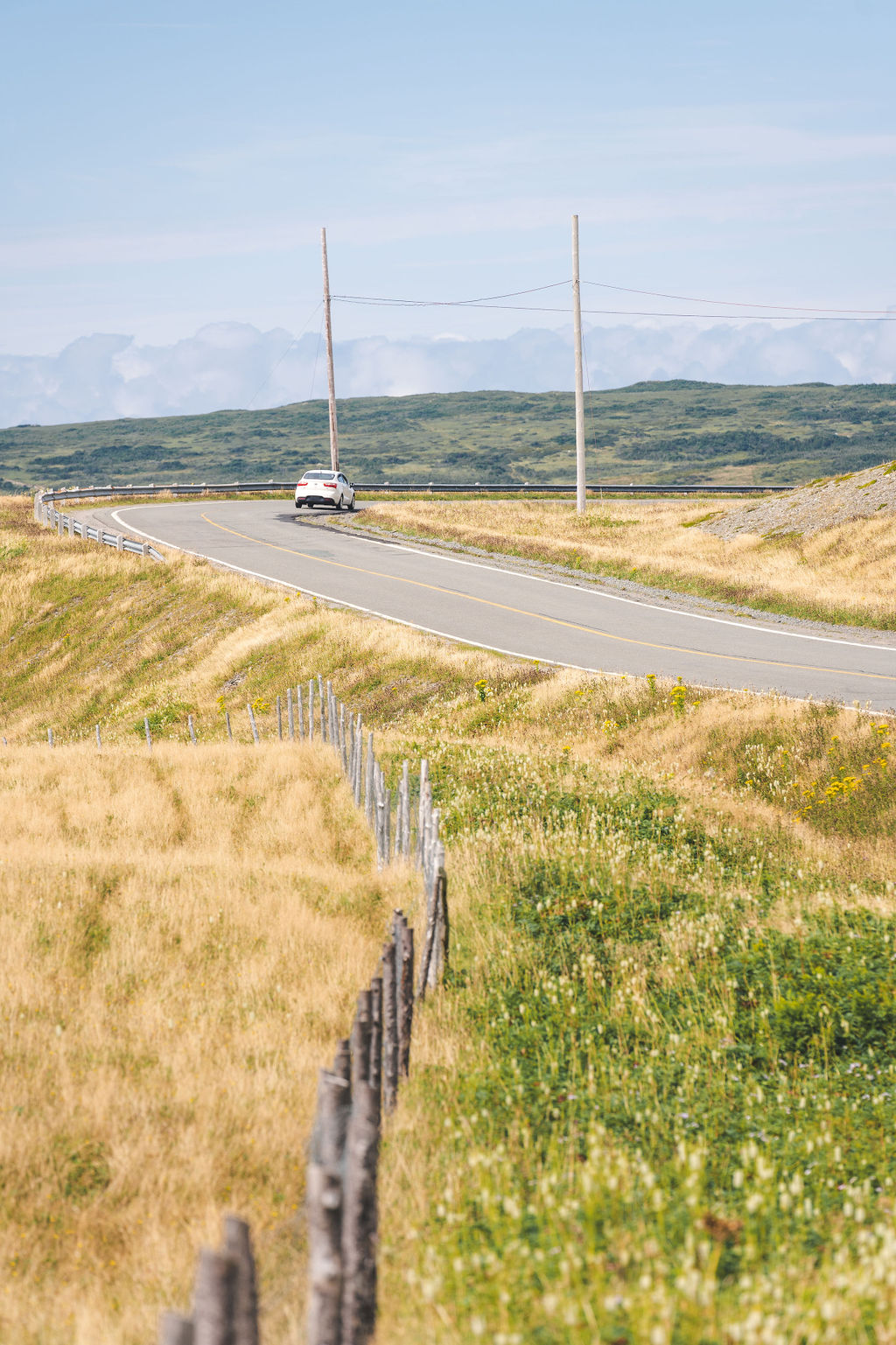
Just south of St. John's, Route 10 leaves the city behind and becomes something older. The Irish Loop traces the edge of the Avalon Peninsula past fishing harbours, fossil cliffs, and beaches where whales feed close enough to hear them breathe. You can drive it in an afternoon. We think you shouldn't.
This is the Loop the way we'd take our own friends: two unhurried days, with time to taste, wander, and stand still when something wild shows up.
Day 1: Out on the Water, Down to the Fire
Start with breakfast in St. John's, then point the car south. Thirty minutes later you're in Bay Bulls, checking in for the morning sailing with O'Brien's Boat Tours into the Witless Bay Ecological Reserve, home to half a million Atlantic puffins and, through the summer, humpback whales feeding just offshore. The 9:00 boat gets you back on the wharf at 11:00 with salt on your skin and an appetite.
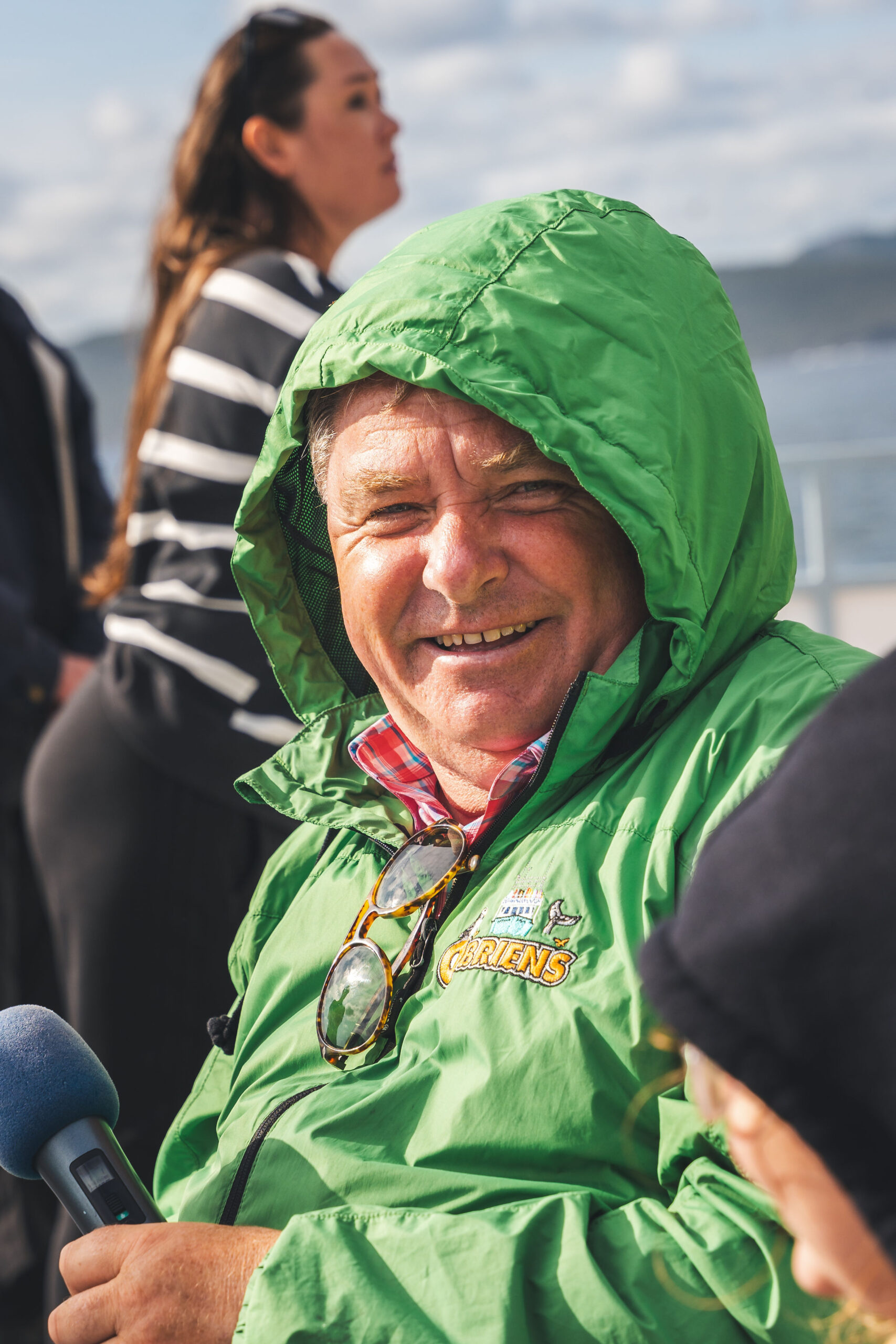
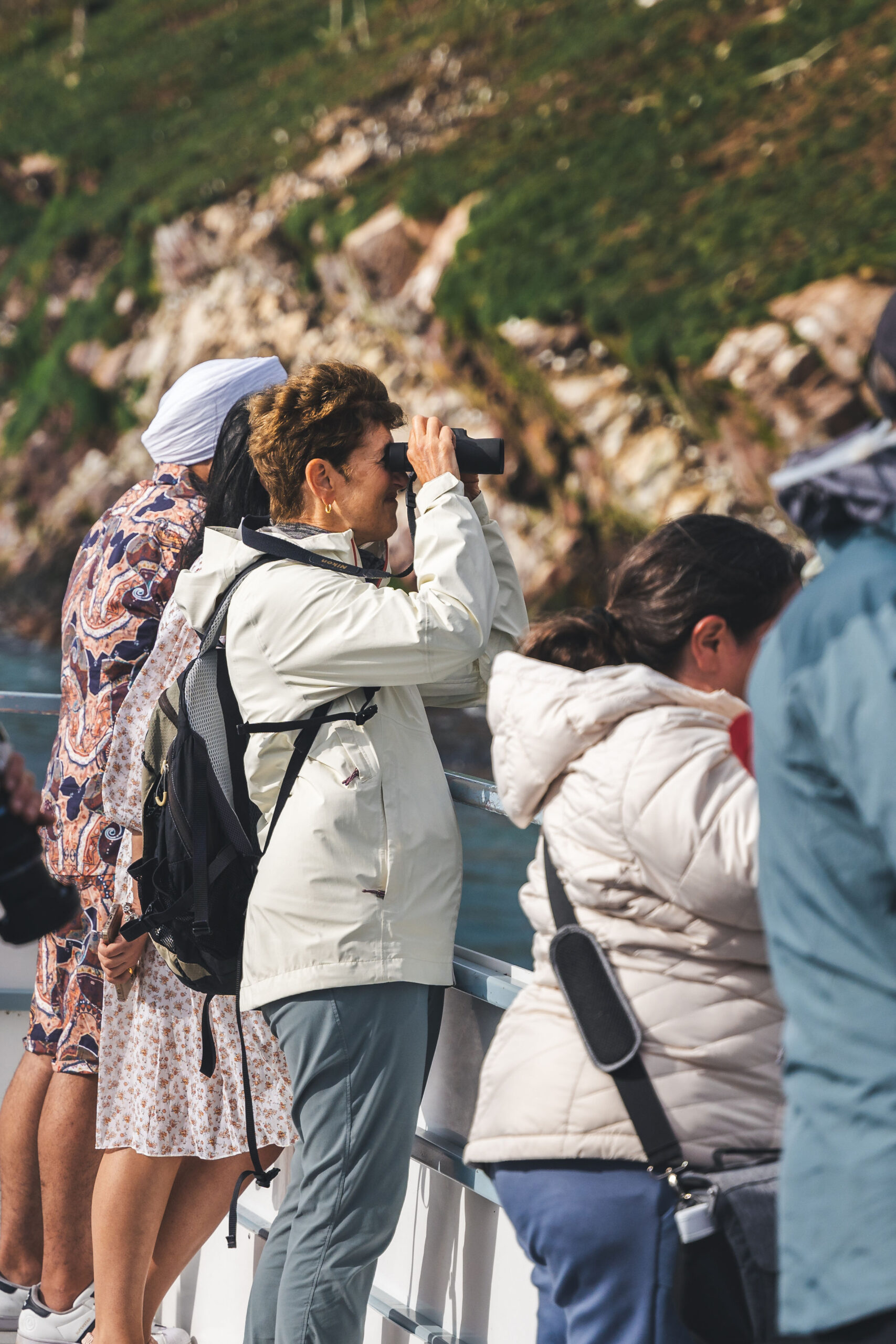
Two hours among the puffins and humpbacks of Witless Bay.
Which is exactly the point, because ten minutes down the road in Mobile, lunch is already crackling.
Our Beach Boil Up is the heart of this day: a fire built on the stones, the kettle on, foraged teas steeping, and a traditional Newfoundland boil up cooked the way generations of families have done it on this very shore. You'll eat well, learn what the coastline offers to those who know how to look, and leave with stories you'll tell long after the drive home. (New to the tradition? Here's the full story of the boil up.)
The afternoon belongs to the road. Wind south through Tors Cove and La Manche with the windows down; this stretch of coast rewards every unplanned stop.
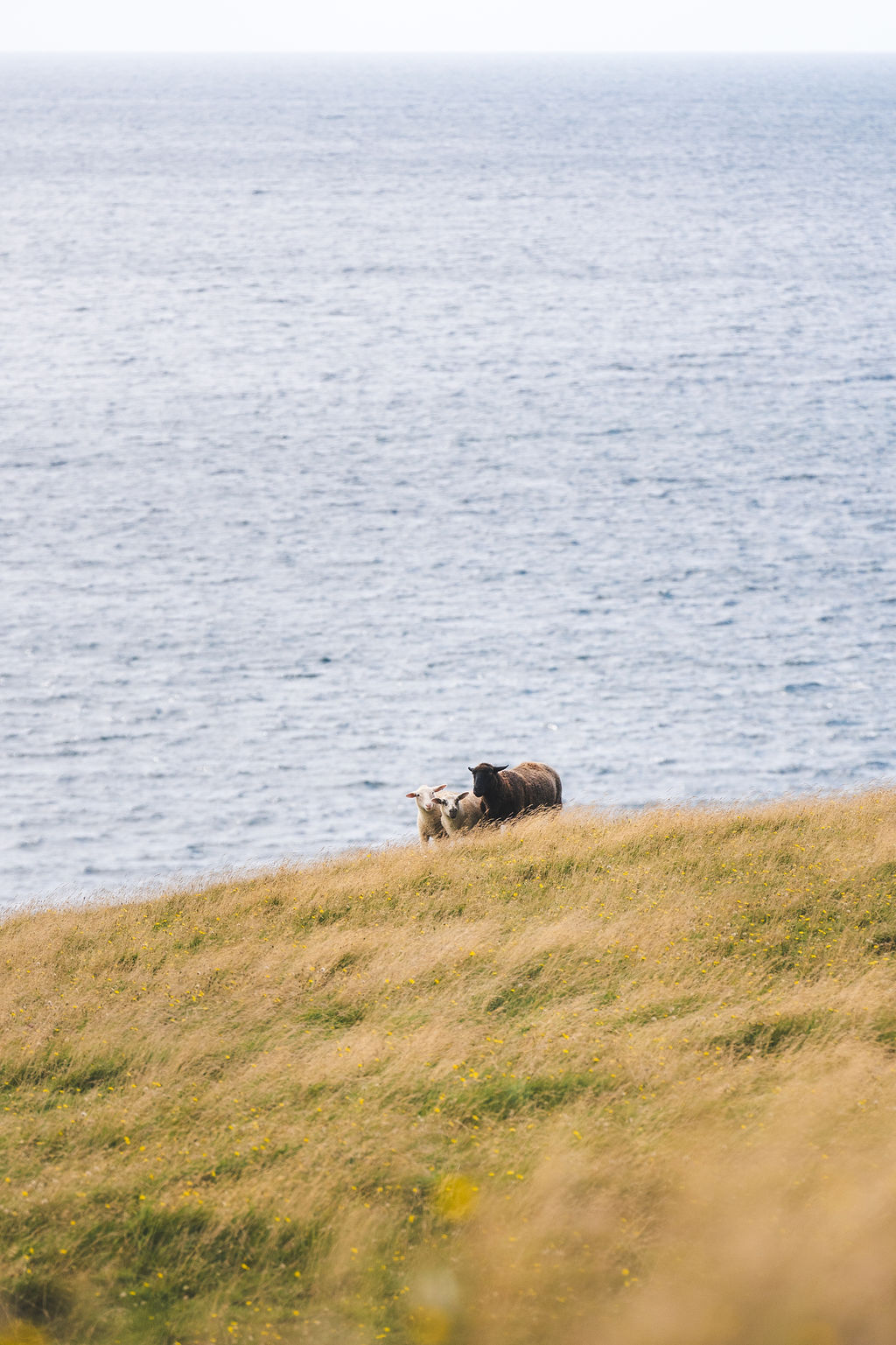
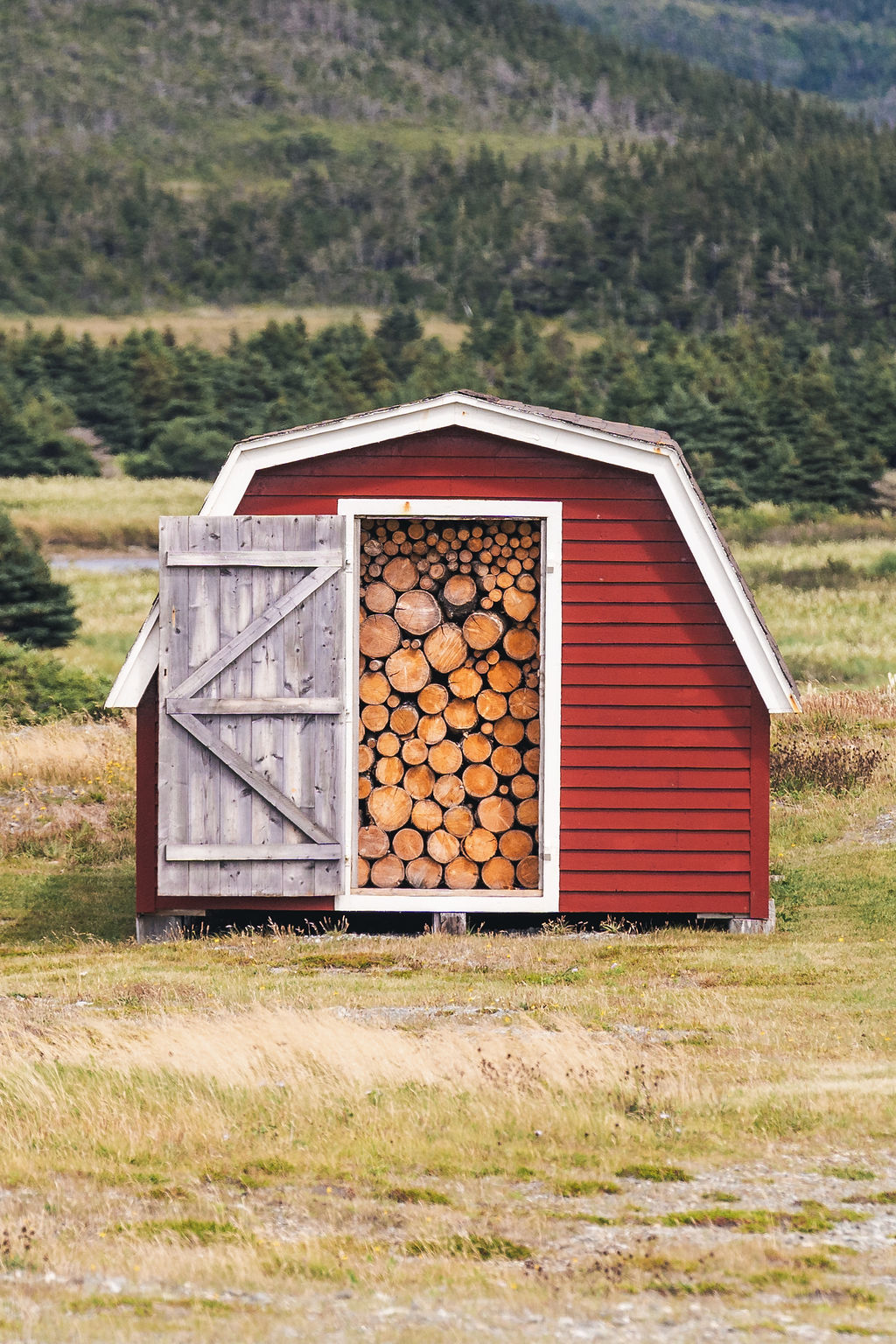
The Loop's small details: sheep on the hills, winter wood stacked to the rafters.
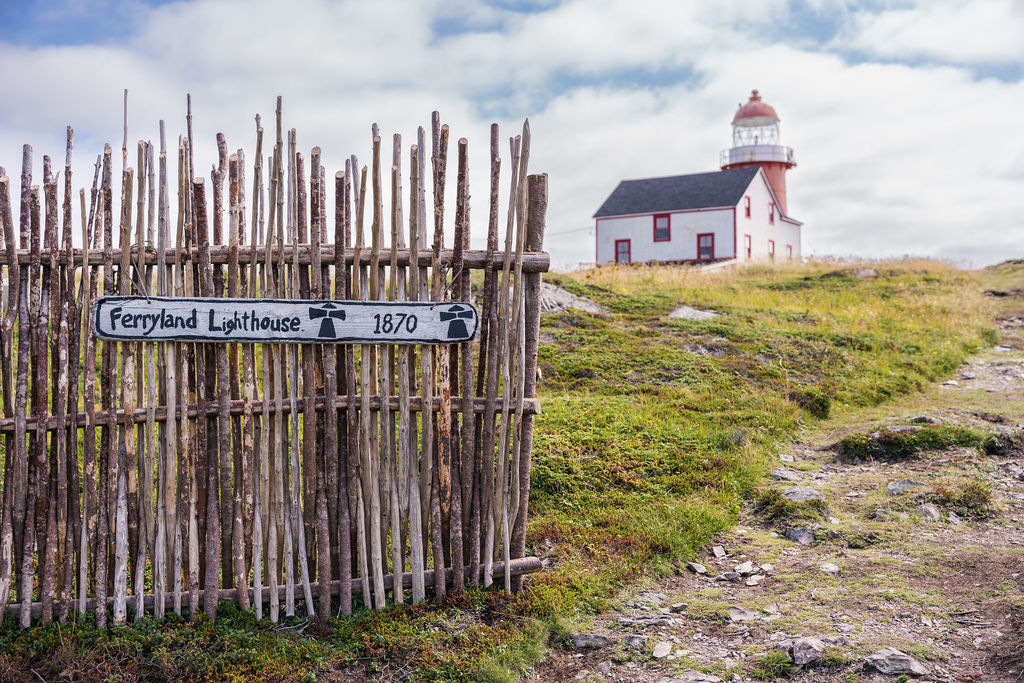
Stop in Ferryland to walk the Colony of Avalon, where archaeologists are still unearthing a 1621 settlement, or stretch your legs on the path toward the lighthouse for the view.
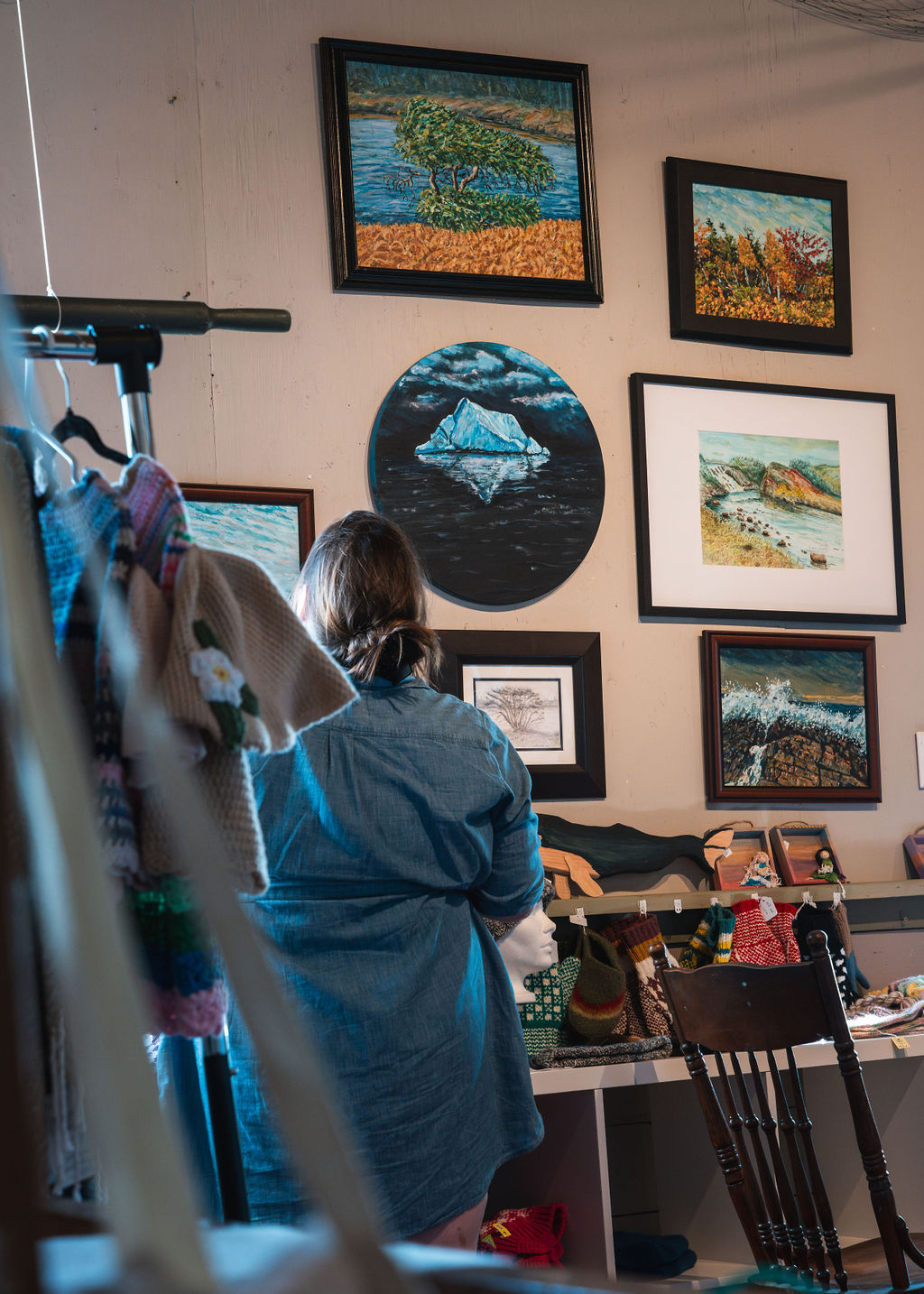
Save room in the trunk for MerryMeeting in Renews, a living arts space full of work by local hands (and, rumour has it, some of the best coffee on the Loop).
By suppertime you'll reach Trepassey and the Edge of the Avalon Inn, your bed for the night. Order the fish. And before you turn in, ask the front desk for a packed lunch for tomorrow. You'll want it.
Day 2: The Oldest Morning on Earth
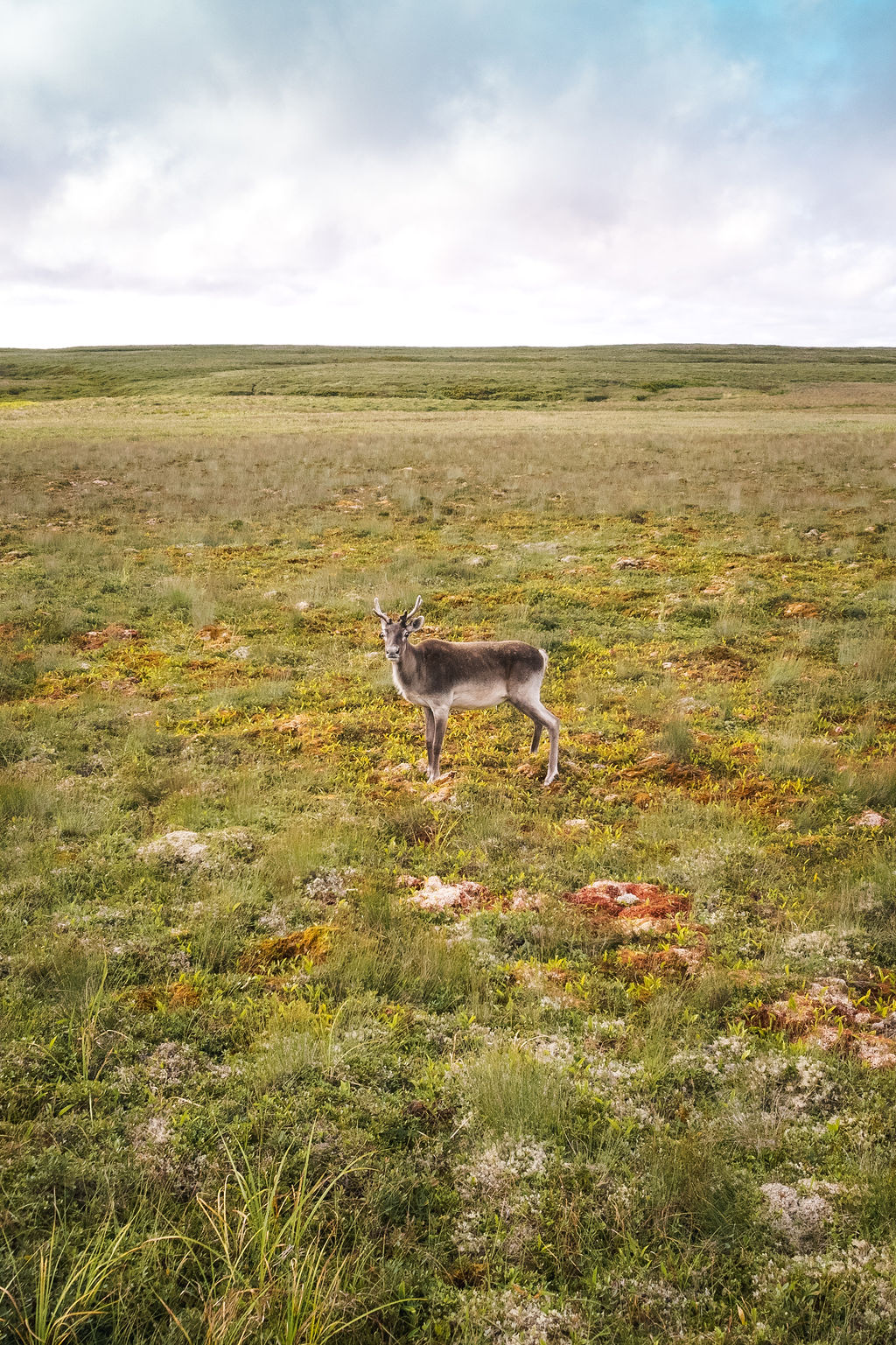
Rise early. The barrens around St. Shott's are home to a wandering caribou herd, and first light is when they're easiest to find. Bring binoculars and patience; this is wildlife on its own terms.
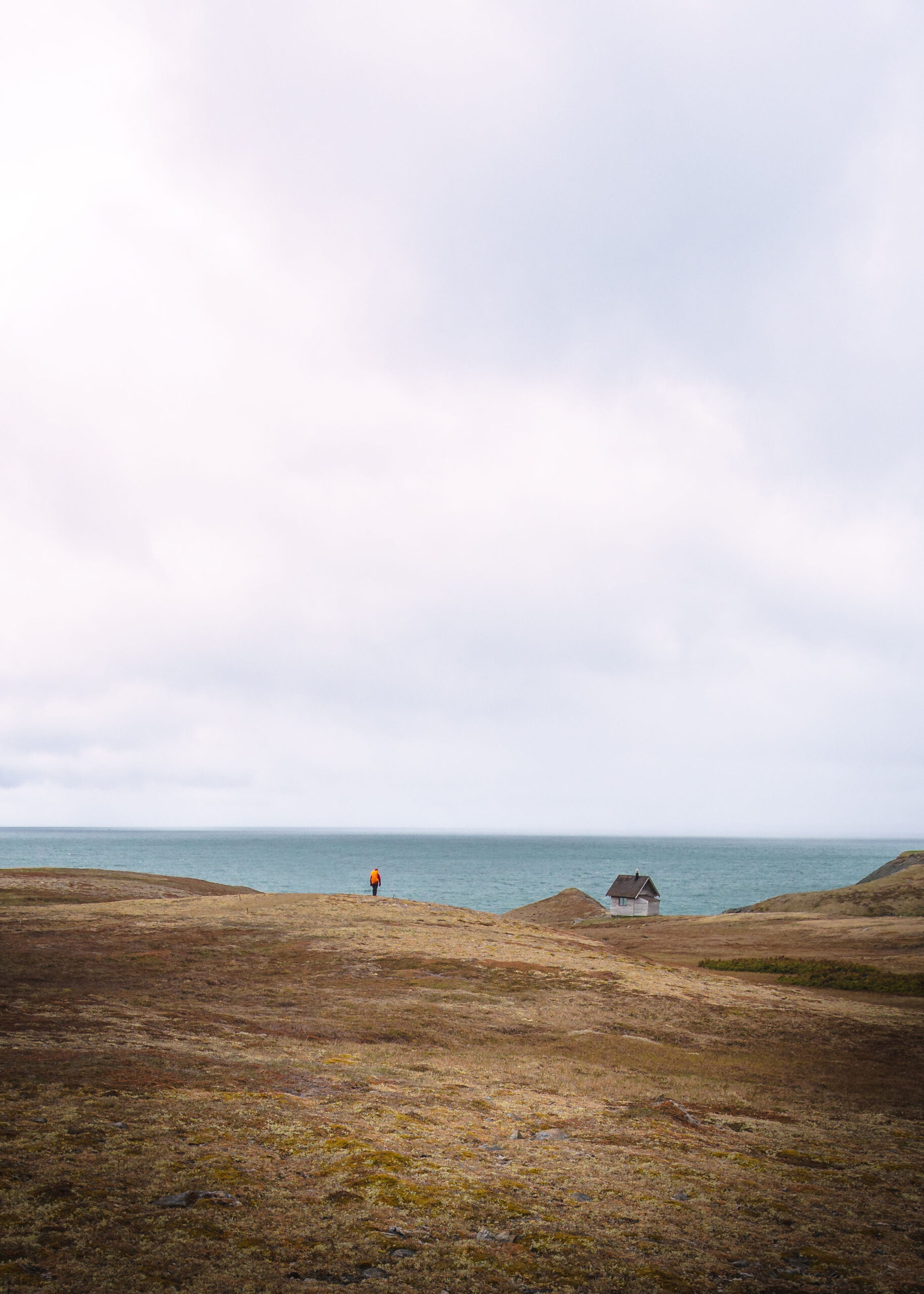
Then double back to Portugal Cove South for the experience people cross oceans for: the guided hike into Mistaken Point, a UNESCO World Heritage Site where you'll stand, in sock feet, on a 565-million-year-old sea floor printed with the oldest large fossils ever found on Earth. Tours run once or twice daily in season and spots are limited, so reserve ahead. Eat your packed lunch on the trail with the wind for company.
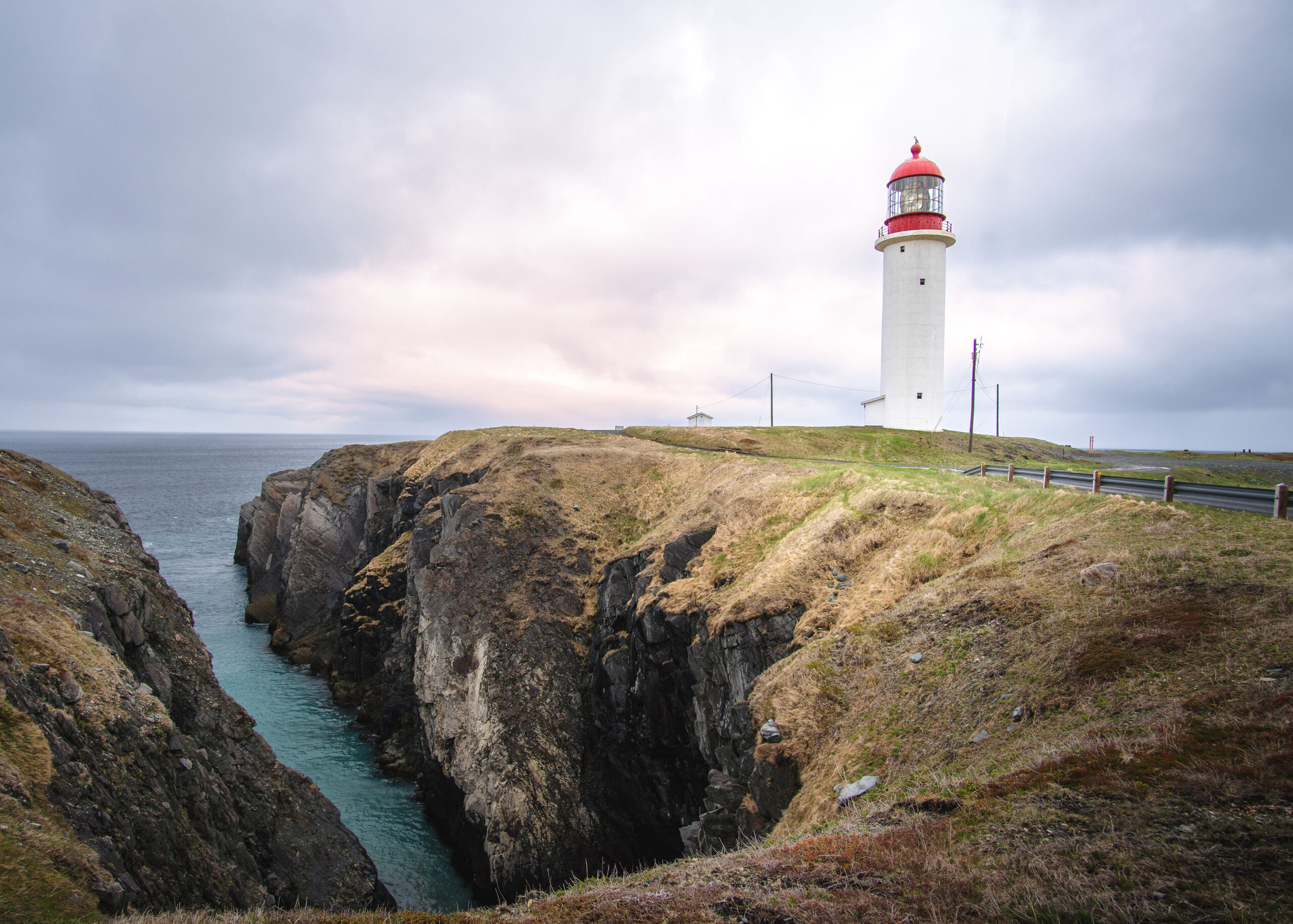
If your legs have one more stop in them, the gravel road past the reserve leads to Cape Race Lighthouse, the station that received the Titanic's distress call. Worth the detour.
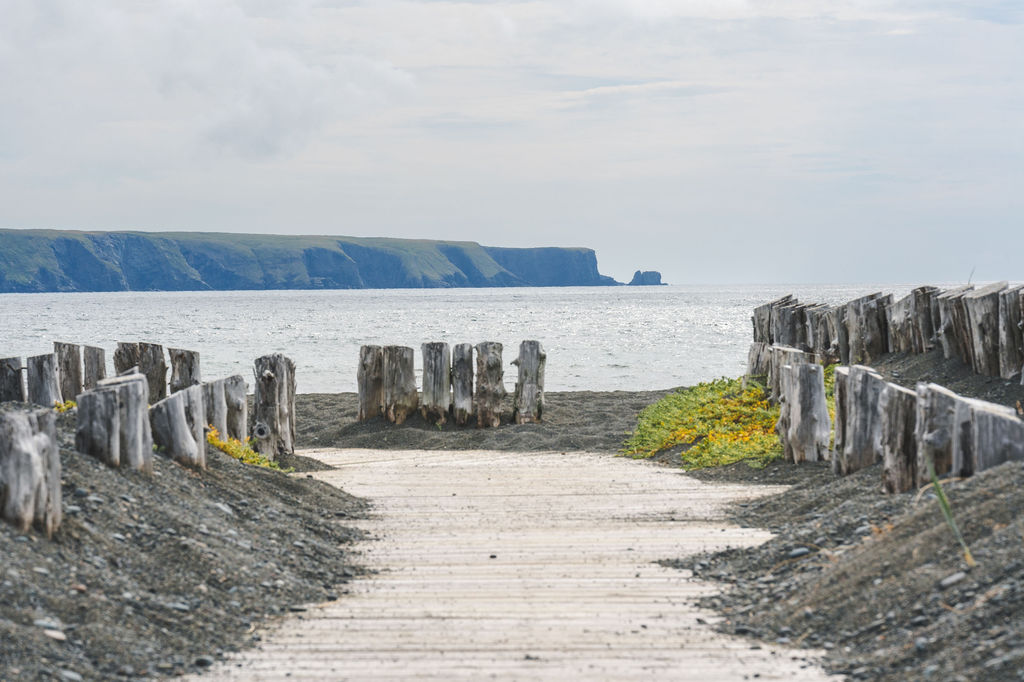
The drive home is anything but a drive home. At St. Vincent's, the beach drops away so steeply that humpbacks chase capelin within metres of the sand. From mid-June through early August, you can watch whales with your boots on the beach, no boat required. This is the stop we tell people not to rush. Bring a thermos, find a seat on the stones, and stay as long as the whales do.
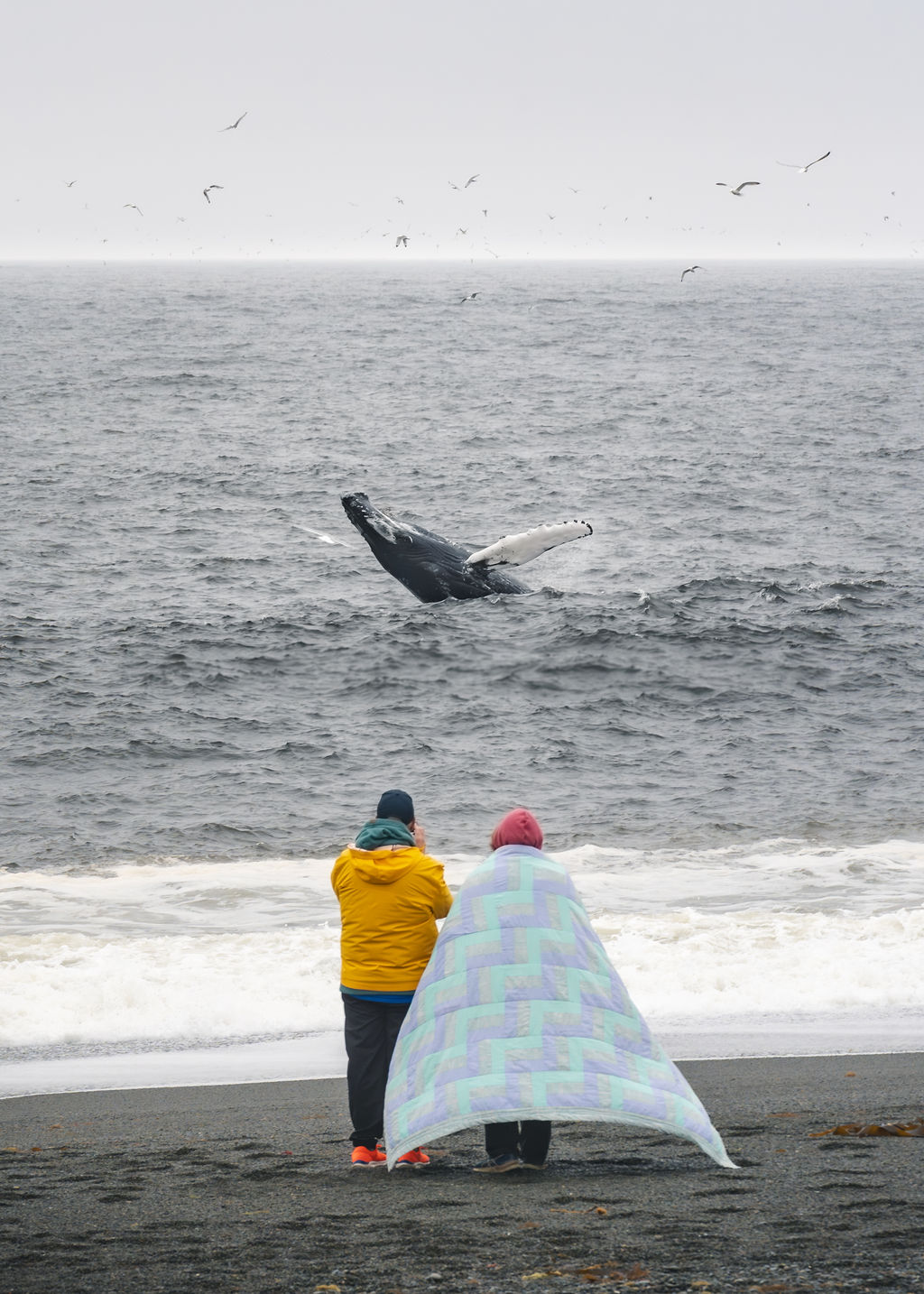
St. Vincent's: whale watching with your boots on the beach.
From there it's an easy ninety minutes up Route 90 to St. John's, sun-tired and full of the south shore, in plenty of time for supper downtown.
When to Go and What to Bring
- Mid-June to early August: whales, puffins, and the capelin roll. Peak everything.
- Late May to mid-June: icebergs offshore and empty roads.
- September: golden light, berries on the barrens, fewer crowds.
Whatever the month, pack layers, a rain shell, and proper footwear; the Irish Loop writes its own weather. Cell coverage fades south of Ferryland, so download your maps before you leave the city, and book your boat tour, your Boil Up, your fossil hike, and your room before you set out.
Frequently Asked Questions
How many days do you need for the Irish Loop?
You can technically drive the Irish Loop in four to five hours, but two days is the sweet spot. It gives you time for a boat tour and beach boil up on day one, an overnight in Trepassey, and the Mistaken Point fossil hike, caribou, and shore-side whale watching on day two without rushing any of them.
When is the best time to drive the Irish Loop?
Mid-June through early August is peak season, with humpback whales, half a million puffins, and the capelin roll all happening at once. Late May and early June add icebergs and quieter roads, while September offers golden light and berries on the barrens.
Where should you stay on the Irish Loop?
Trepassey is the natural overnight stop, sitting roughly halfway around the Loop and twenty minutes from the Mistaken Point tour check-in. The Edge of the Avalon Inn offers rooms and a restaurant, making it an easy base between day one and day two.
Can you see whales from shore on the Irish Loop?
Yes. St. Vincent's beach is one of the best places in the world to watch whales from land. The beach shelves so steeply that humpbacks chase capelin within metres of the sand, typically from mid-June through early August.